But… those things are inversely correlated? Walkable cities tend to be dramatically more beautiful and ugly gigantic POS buildings are the ones surrounded by acres of parking lot and highway…?
I agree I’d take your tradeoff if presented but I think the real world tradeoff is even sillier and more obvious than the one you propose.
I don’t agree with the article and its definitions, it seems poorly sourced and to be advocating for English towns as the apex of civilization. That said, the photos provided and the descriptions focus more on the style of the buildings than urban form: “monotonous straight lines of modernist architecture” vs “historical architecture such as ‘Church’, ‘Castle’, ‘Tower’ and ‘Cottage’ made places look more attractive and get better ratings for their beauty.”
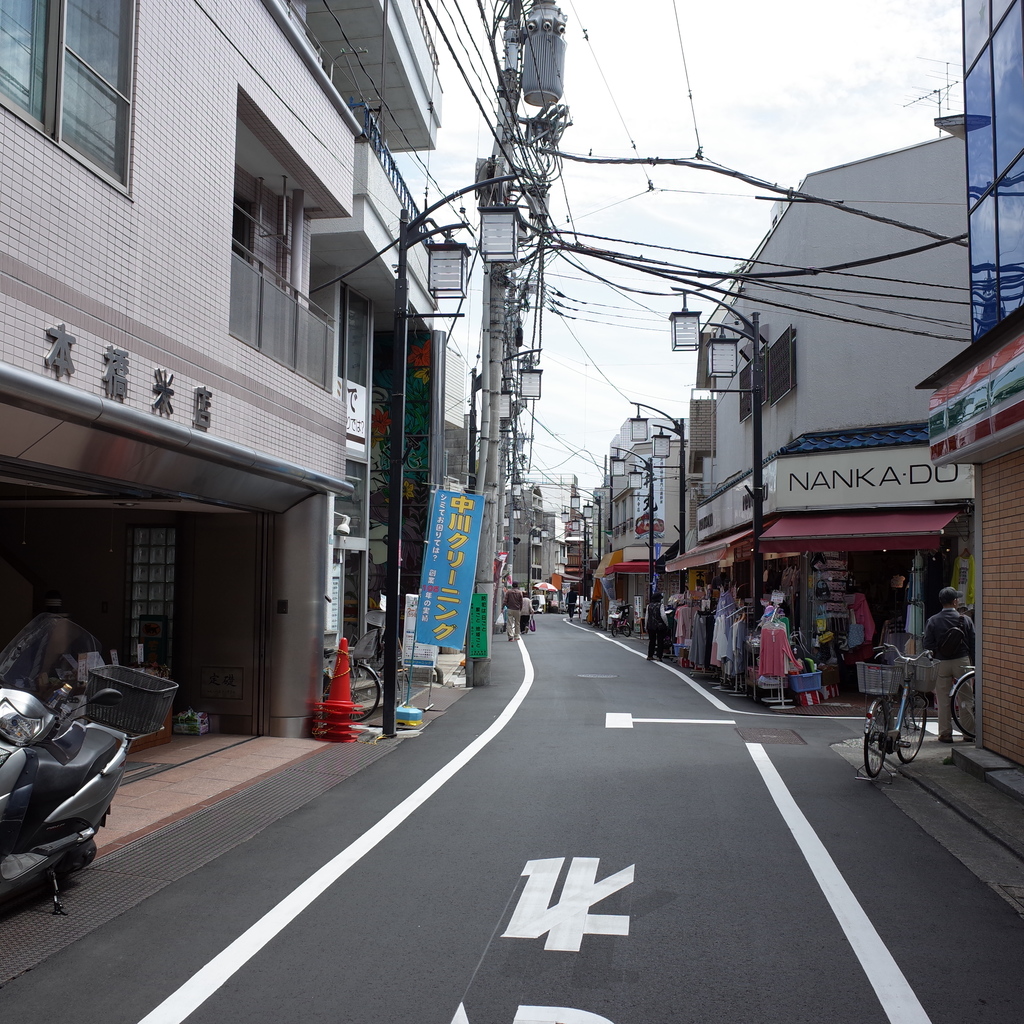
A "walkable" city has everything you need within walking distance. A "beautiful" city is devoid of modernist architectural monstrosities. A "lively" city is full of people.
I would argue there is no strong correlation here. A city can be walkable and ugly, lively and unwalkable, beautiful and unwalkable, beautiful but not lively...
When most people say walkable they mean safe to walk in. The trains don’t make it unsafe, and other than commuting you can do a fair amount using just walking or a bike because of the preponderance of small businesses that are safe to walk to. And you walk to and from the train station.
This is mostly meant to contrast to non-walkable spaces, where to walk to a store in an American suburb often means walking in a 3 ft wide path next to 55mph traffic and the crosswalks for said road are a half mile apart, if you’re lucky. The safe paths are circuitous if they exist and the pedestrian signals, if you can get a green one, may take minutes to cycle to and give you thirty seconds to cross 6+ lanes.
I think most people mean walkable to be more than maybe a half dozen square blocks of restaurants and small stores that aren’t really connected to anything else though. Bunch of examples in Silicon Valley.
Sure, bigger than a mall. The main point is that transit enhances walkability, they don't really compete in the absence of other factors (like transit in a highway median)
A lot of former communist block cities have places that are just giant ugly concrete block buildings, with beautiful walkable parks and 15 min city accessibility.
I second that. I grew up in a commie block that was just painful to look at, but within 10min walking distance with only streets without through-traffic(because it was either impossible or just pointless) there was:
A school, playground, clinic, culture centre(which doubled as a movie theater and a regular theater), supermarket(s), pharmacy a dentist an indoor pool (still active, even though it's tiny) and several other things I won't bother mentioning because the list is already quite long.
But to me the most important part of that experience was that there was space between the buildings - green space at that - and the buildings themselves had mostly a total of four(including ground) floors, with a few higher units here and there.


I agree I’d take your tradeoff if presented but I think the real world tradeoff is even sillier and more obvious than the one you propose.